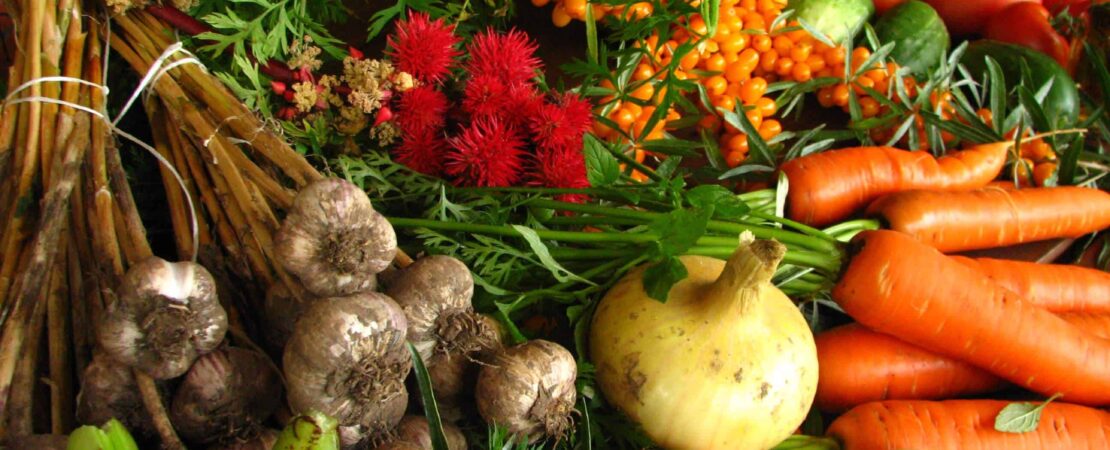
Benefits of Organic Foods in Modern Food Culture and Little Italy Restaurants
In today’s health-conscious world, organic foods have become an essential part of modern dining culture. Cities known for rich culinary traditions, especially those with iconic Little Italy restaurants, are increasingly embracing organic ingredients to preserve authenticity, quality, and sustainability. Understanding the benefits of organic foods helps explain why they play such an important role in contemporary food culture.
What Are Organic Foods?
Organic foods are produced without synthetic pesticides, artificial fertilizers, genetically modified organisms (GMOs), or chemical additives. They are grown and prepared using natural processes that respect both human health and the environment. Many traditional Italian recipes, especially those found in Little Italy restaurants, naturally align with organic principles.
Key Benefits of Organic Foods
One of the main benefits of organic foods is their higher nutritional value. Studies suggest that organic fruits, vegetables, and grains often contain higher levels of antioxidants, vitamins, and minerals. These nutrients enhance flavor while supporting overall well-being.
Another major advantage is better taste and freshness. Organic ingredients are typically grown in smaller batches and harvested at peak ripeness. This results in richer flavors, which is especially important in Italian cuisine where simplicity and ingredient quality define every dish.
Organic foods are also free from harmful chemicals, reducing exposure to pesticides and artificial preservatives. For families and health-conscious diners, this makes organic dining a safer and more appealing choice.
Organic Foods in Little Italy Restaurants
Many Little Italy restaurants emphasize organic ingredients to stay true to traditional Italian cooking. Fresh organic tomatoes, basil, olive oil, cheese, and handmade pasta elevate classic dishes such as pasta al pomodoro, risotto, and wood-fired pizza.
By using organic foods, Little Italy restaurants:
-
Preserve authentic Italian flavors
-
Support local and sustainable farming
-
Offer healthier menu options
-
Build trust with modern diners
This approach connects old-world culinary traditions with modern health standards.
Sustainability and Environmental Benefits
Beyond personal health, organic foods benefit the environment. Organic farming improves soil quality, conserves water, and supports biodiversity. Restaurants that prioritize organic sourcing contribute to a more sustainable food system while maintaining high culinary standards.
Why Organic Foods Matter in Today’s Food Culture
The growing demand for organic foods reflects a shift in global food culture. Diners are no longer focused solely on taste—they value transparency, sustainability, and nutrition. Little Italy restaurants that embrace organic ingredients stand out by offering meals that are both meaningful and memorable.
The benefits of organic foods extend far beyond health. They enhance flavor, protect the environment, and preserve culinary traditions. When combined with the timeless recipes and warm atmosphere of Little Italy restaurants, organic foods create a dining experience that is authentic, healthy, and deeply satisfying.